The metropolitan museum of art

Metropolitan Museum of Art

https://www.metmuseum.org/about-the-met/policies-and-documents/image-resources

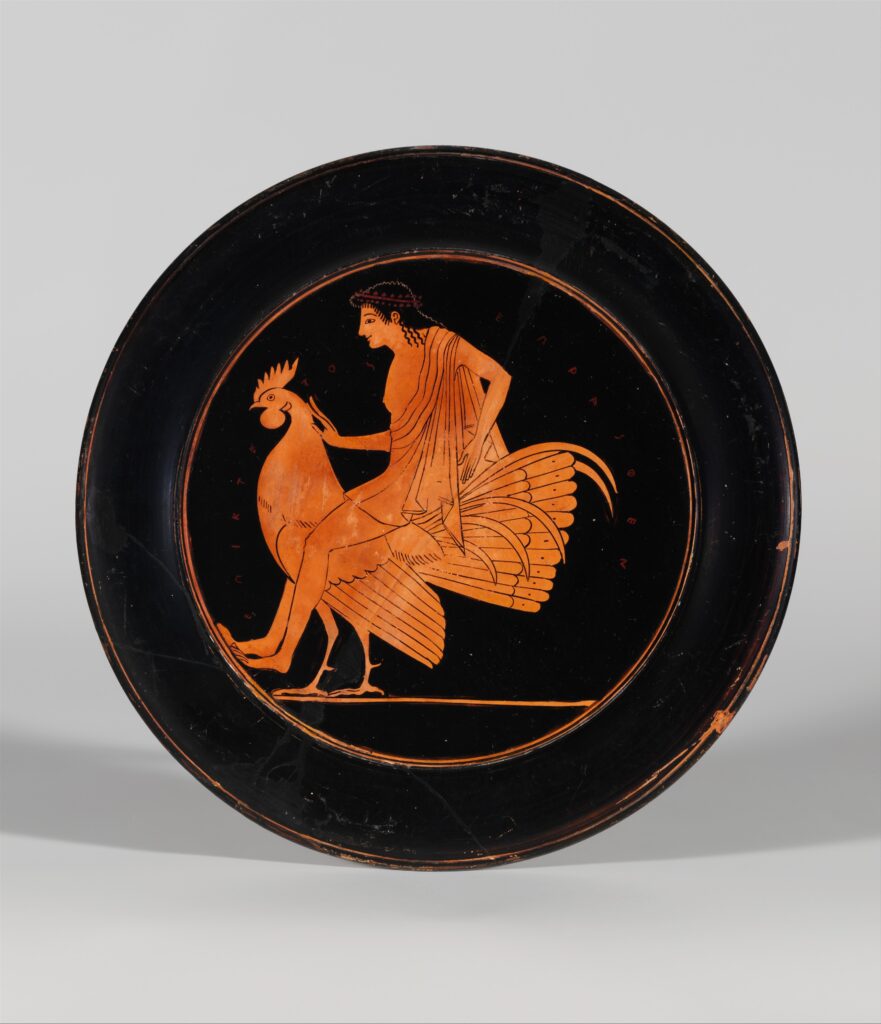
While not all of the images in the Metropolitan Museum of Art are in the Public Domain, in 2017 the museum announced their Open Access policy, which makes images believed to be in the public domain available for unrestricted up by the public under the Creative Commons Zero designation. The images can be searched through 20 thematic sets that include the following topics: Masterpiece paintings, cats, Monsters and Mythological Creature, Post-Impressionism, Vincent van Gogh, Arms and Armor, Tiffany Glass, and Dishes, including a terracotta plate from Ca. 520-510 BCE. Images that fall under their Open Access policy are clearly marked with an “OA” in the lower left-hand corner of the image.

Terracotta plate. Signed by Epiktetos as painter. Metropolitan Museum of Art.

Agricultural research Service: US Dept of Agriculture image gallery

https://www.ars.usda.gov/oc/images/image-gallery/

https://www.ars.usda.gov/oc/images/copyright/

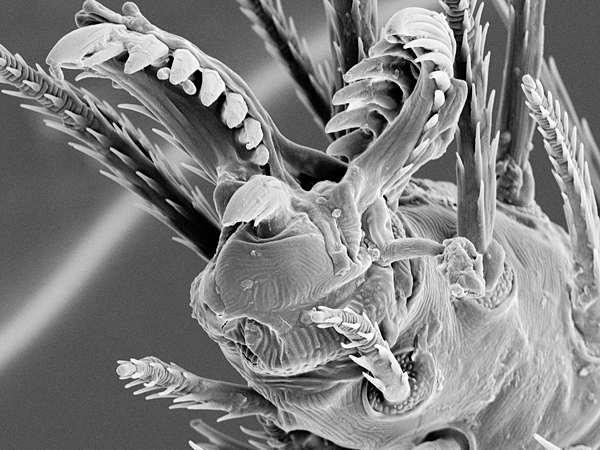
The Image Gallery of the US Department of Agriculture’s Research Service consists of images of all aspects of the agency’s work. Categories include animals, plants, insects, food, field research, people, and crops. All the images are, mostly, copy-right free, public domain images which may be used as long as attribution is given. Some of the more interesting images are made with an electron microscope. If you ever wanted an up-close and personal look at a mite, this is the place to go.

Mite imaged with the U.S. Department of Agriculture’s state-of-the-art scanning electron microscope

NASA on the commons

https://www.flickr.com/photos/nasacommons/with/29214887956/

https://www.flickr.com/people/nasacommons/

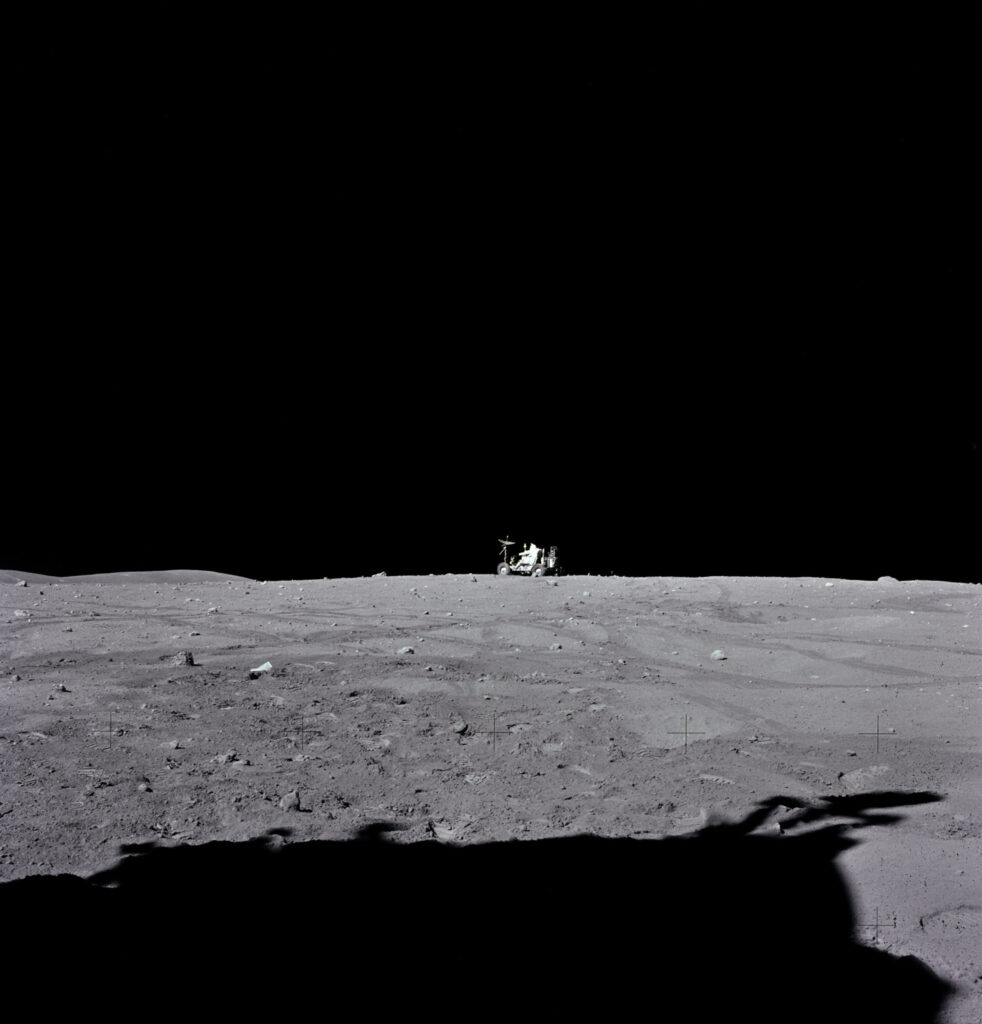
With NASA on the Commons, NASA has made available hundreds of thousands of photographs, videos, and audio files to engage the public in the history and work of the space agency. One can search through photographs of people, from engineers to astronauts, rockets and rovers, photographs of space from earth, and photographs of earth from space. The images cover the entire history of the space program as well as its precedents in the National Advisory Committee for Aeronautics in 1915. Also included are images from the Soviet and Russian space programs including patches and photos of Cosmonauts like Yuri Gagarin.

Driving on the Descartes. Apollo 16 mission. April 23, 1972

J Paul getty museum

https://www.getty.edu/

https://www.getty.edu/about/whatwedo/opencontent.html

The Getty Museum maintains a large collection, about 100,00, images available in the public domain, including ” paintings, drawings, manuscripts, photographs, antiquities, sculpture, decorative arts, artists’ sketchbooks, watercolors, rare prints from the 16th through the 18th century, and 19th-century architectural drawings of cultural landmarks.” The images are from around the world and include Edward S. Curtis photographs of indigenous Americans, European illuminated manuscripts, sculpture from 4th century BCE Japan, and Egyptian coins. Unfortunately, downloading the images from their site proved difficult.

a definition of digital humanities

Digital Humanities is a collaborative activity that brings the rapidly evolving tool and techniques of computer technology to help answer question and investigate problems relevant to the humanities. Moreover, DH is a way of disseminating and democratizing the humanities, whether through publishing, searchable archives, immersive experiences, to communities within and outside of the academy.

It became apparent that DH projects we looked at were all collaborative. “Collaborative” may just be a default part of the definition. I also realize that the types of technologies are rapidly evolving, and it would be difficult to pin down a few for a definition of the field as a whole. Technologies are also a created specifically to assist with DH work, so building the technology is a big part of DH, not just using other technologies that were created for business or social science applications to answer relevant questions or create web-based DH projects. Along with the fact that the creation of DH projects are obviously collaborative, I was struck by the various audiences to which sites are directed. From scholarly researches, to students and teachers, and to the interested general public. I think DH projects fulfill what many hoped the internet would do—increase access to knowledge.

In exploring the many examples of DH projects and classifying them, I realize that the potential for DH is even greater than I thought, and that I have touched and understand only the tippy top of the DH iceberg. I have much to learn, and as I continue, I am sure my definition of DH will, like the field itself, evolve.